
The Very First Things You Should do When You Move into a New Home
In the days and weeks leading up to moving day, it is natural to focus your energy primarily on your current home and the things that need to be finalised before your contract ends. From packing boxes and organising removals to making sure everything is cleaned and ready to hand over, there’s usually a deadline you’re working towards, and it can feel like there’s always one more thing to do. But then you arrive at your new property and realise you gave little thought to what comes next.
To help you get off on the right foot, Jack & Jill Removals have put together a checklist of the very first things you should do when you move into your new home so you can take a deep breath and settle in a little bit more comfortably.
Conduct a deep clean
If you get your keys in advance of moving day and you have time, it is always prudent to give your new home a good clean while it is still empty.
Even if you are moving into a new build and there were no previous occupants, making sure your home is spick and span before you start positioning your belongings just where you like them can help you settle much easier.
If you are renting the property, this is your opportunity to document any damage or blemishes that were preexisting to ensure you get your deposit back when you move on.
Top spots to clean include:
- The fridge: Wipe down all drawers and inserts in your fridge, including the internal walls, to remove any food residue left over by previous tenants/owners.
- Kitchen cupboards: Remove the shelves from your cupboards and wipe down with surface spray or antibacterial wipes.
- Washing machine: Give the inside of the washing machine a thorough clean to remove any lingering bacteria or mould. Remove the drawer and give the rubber seal a good scrub. Run a cycle with a vinegar and bicarbonate of soda solution.
- The bathroom: Deep clean the bathroom to your own standards. Basins, bathtub, showers, toilets, mirrors, and extractor fans will all need rejuvenating. Don’t forget to clean behind all bathroom furniture using dusters and antimicrobial sprays.
- Fabrics and carpets: Steam cleaners are often the best option for cleaning soft furnishings, particularly for carpets where bacteria lingers.
- Surfaces: Once you have tackled all these hot spots, you can begin wiping down all surfaces and touch points in the property like kitchen counters, mirrors, bannisters, door handles, light switches, plugs, and cupboard doors. This is likewise a good time to spot clean any stains or touch up any blemishes you come across.
- The corners: Don’t forget to get into all the corners with a hoover or duster.
Check your energy meters
In advance of your cleaning, one of the very first things you need to do when you move into a new home is check the utility metres and keep a record of the readings. This is so you are only charged for the energy you have used in your first month.
We would always recommend taking clear photographs so that you have an accurate time stamp.
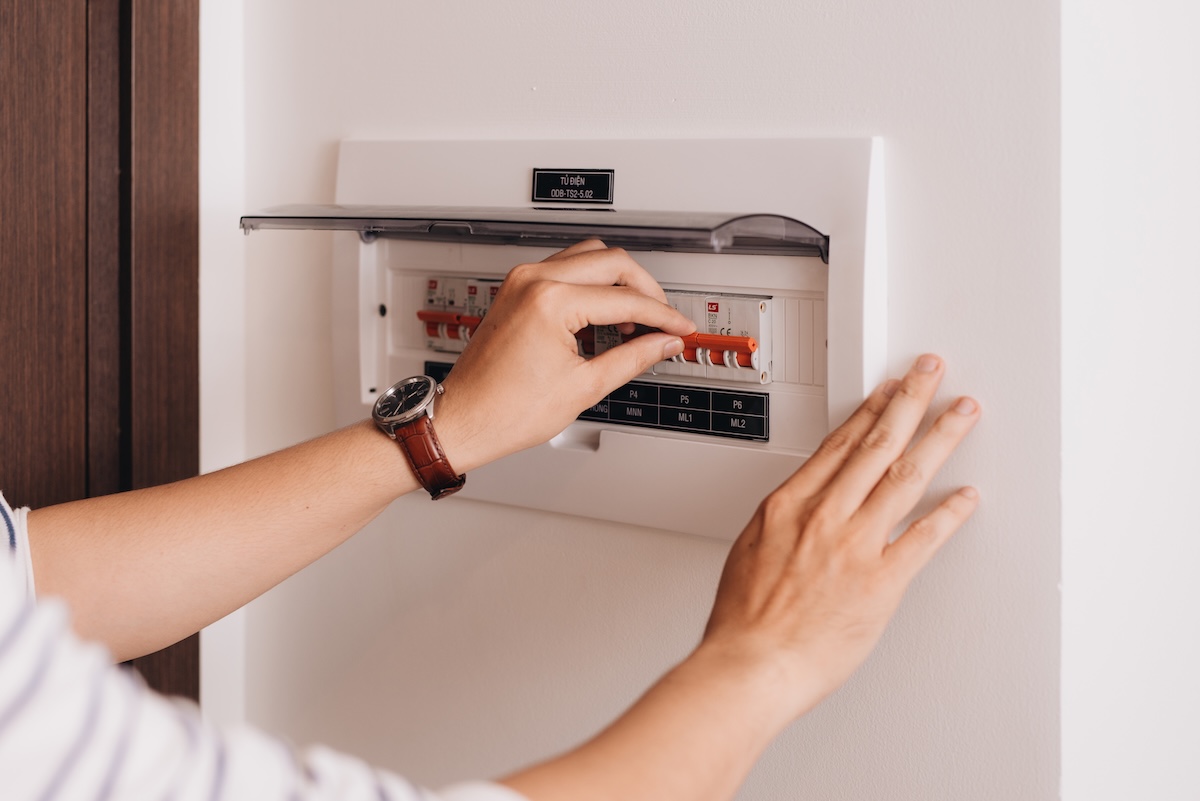
Locate and label your fuse box
It’s not something you’ll use every day, but knowing where your fuse box is can save valuable time if a circuit trips or you need to isolate the electricity. Take a few minutes to familiarise yourself with the switches and, if they aren’t already labelled, consider identifying which circuits control different parts of the house.
You will usually find your fuse box located where it is not likely to be accidentally disturbed such as an understairs cupboard, utility room, basement, garage, or hallway.
Find your water valve
It is highly responsible to know exactly where your stopcock is located in your property just in case you have a plumbing emergency. It will allow you to shut off the water if you experience a leak or a burst pipe which could protect your home from irreversible water damage while you wait for a plumber to arrive.
Landlords will often tell you where the stopcock is located, but if this information isn’t provided, you may need to find it yourself. Have a look in key areas of the property like:
- Under the sink
- Kitchen cupboards
- Beside your boiler
- Your garage or utility room
- Under the stairs
- Basement
- Built in cupboards/storage
- Downstairs bathroom
In older properties, your stopcock might be hidden in a more conspicuous location. If you still can’t find your stopcock, then you could ask your neighbours with similar properties as it might be in a similar location.
Once you have located it, you should also make sure it works correctly.
Check that all the doors lock
For your safety and peace of mind, one of the first things you should do when you receive the keys to your property is make sure all the windows and doors lock properly.
Before unpacking valuables or leaving the property unattended, spend some time checking every external door and accessible window to make sure they lock properly.
As you’re checking each lock, look out for anything that feels stiff, loose or difficult to operate. You should also check for any signs of wear around door frames, damaged handles, hinges, or windows that don’t close completely, as these can all compromise your home’s security.
If you discover any issues, arrange repairs as soon as possible rather than leaving them until later as you will feel far safer as you settle in.
Change the locks
Although not a necessity, changing the locks means you’ll know that only you and the people you trust have access to your home.
Even if the previous owners hand over every key they own, there’s no way of knowing whether additional copies have been given to neighbours, tradespeople, dog walkers, cleaners, or previous tenants over the years.
While you’re updating your locks, you may also wish to consider additional home security improvements such as:
- Smart door locks
- Video doorbells
- Motion-sensor lighting
- Window locks
- Burglar alarms
Make sure all appliances work
Before unpacking your kitchen boxes or planning your first home cooked meal, take some time to check that every appliance is working correctly. Testing everything during your first day gives you the opportunity to report faults quickly and have them dealt with before they cause any lasting problems.
Look out for unusual noises, leaks, warning lights or error messages.
If instruction manuals have been left behind, keep them together in one kitchen drawer or folder for future reference. If not, don’t worry, most manufacturers provide downloadable copies on their websites using the appliance model number.
Test each appliance individually, including:
- Oven and grill
- Hob
- Fridge and freezer
- Dishwasher
- Washing machine
- Tumble dryer
- Boiler
- Extractor fan
It’s vital that you check whether smoke alarms and carbon monoxide detectors are working while you’re testing the property. Replace batteries where necessary and make a note of any alarms that may need updating.
Stock up on cleaning supplies
Moving house inevitably creates a little mess. It doesn’t matter how meticulous you are, muddy footprints, dust, spillages, and clutter will enter your new property alongside your belongings, and having cleaning essentials on hand will allow you to deal with this immediately without hunting through packed boxes.
Useful items include:
- Multi purpose surface cleaner
- Antibacterial spray
- Bin bags
- Microfibre cloths
- Kitchen roll
- Vacuum cleaner
- Mop and bucket
- Washing up liquid
- Toilet cleaner
Find out when to put the bins out
One of the worst times to miss bin day is when you have just moved property and your bins are stuffed to the brim with empty boxes and bubble wrap. For this reason, you need to know when to put the bins out from your moving date.
This information can be easily identified by contacting your local council or checking your rubbish collection day on the gov.uk website.
It is worth noting that different councils will have different rules about what can and can’t be put in bins, and the colour of your recycling bins may differ from county to county.
Assess the condition of the garden
Once you’ve finished inside, don’t forget to take a walk around the outside of your property to get a better look at your garden. Even if you aren’t an avid gardener, it can still help to see when it would be best to mow your lawn, and whether there are any immediate issues that need dealing with like overgrowth or broken fence panelling. Of course, if you wish to have guests over or begin positioning garden furniture on the paving then you need to be sure it is sturdy.
Gardens can likewise hide maintenance issues that aren’t immediately obvious during viewings, so having a rustle behind bushes and vines that are positioned against the property can reassure you that the property is structurally sound.
Take a small amount of time to inspect:
- Fence panels
- Gates and locks
- Garden sheds
- Patios and paving
- Trees with damaged branches
- Gutters and drains
- Outdoor taps
- Exterior lighting
And, if you’re green fingered or have plans for the future of your garden, then this will simply be an enjoyable exercise to help you settle in and get to grips with what you’re working with.
Check in with the neighbours
If you haven’t already asked your neighbours for their stopcock location or run into them during the move, it’s always worth popping over to introduce yourself. A simple hello can go a long way in helping you feel part of the community and can make settling into your new home a much more enjoyable experience.
You don’t need to make a grand gesture. A friendly wave, a quick chat over the garden fence or introducing yourself when you see someone outside is often enough. Most people appreciate putting a face to the new residents, and it’s a great way to start building positive relationships from the outset.
Getting to know your neighbours can also have plenty of practical benefits. They may be able to tell you useful information about the local area, such as the best local cafés and restaurants, walking routes, reliable tradespeople they’ve used, the quickest routes during busy times of day, as well as other basic knowledge on the area and its quirks.
It’s also reassuring to know the people living around you. Friendly neighbours can often keep an eye on your property when you’re away or simply offer help if you ever need it and vice versa.
Liaise with your removals team
Alongside preparing your new home for your furniture, there are numerous things you need to think about on the day of your move. Luckily, with the right preparation and support, it doesn’t have to be stressful. At Jack and Jill Removals, we’re here to take the strain out of moving day so you can focus on the joy of starting fresh. Our Home Removals team has years of experience in smoothing over the moving process and making things as easy for you as possible. Once the boxes are unpacked and the kettle’s on, you’ll realise that all the effort was worth the hassle.